
Summary: Researchers have introduced a novel assessment scale designed to objectively evaluate the appearance of humanoid robots. By incorporating global eye-tracking metrics—such as fixation duration and saccade patterns—the scale captures user responses across dimensions like smartness, friendliness, and emotional impact. It identifies four key characteristics: appearance, emotional competence, social intelligence, and self-awareness. Robots lacking these characteristics risk being perceived as cold or disruptive, limiting their usefulness in customer service.
The study shows that people evaluate robots in a similar way to humans, taking into account their physical and social characteristics. This tool could help develop more accessible and efficient robots in environments like hotels and airports.
Important facts:
- Four main features: For a robot to appear realistic, humanoid appearance, emotional abilities, social intelligence, and self-awareness are necessary.
- Difference in self-image: Robots often perform worst in self-image, inner meaning, or personality.
- Design effects: This scale provides a roadmap for developing robots better suited for social and customer service tasks.
Source: University of Florida
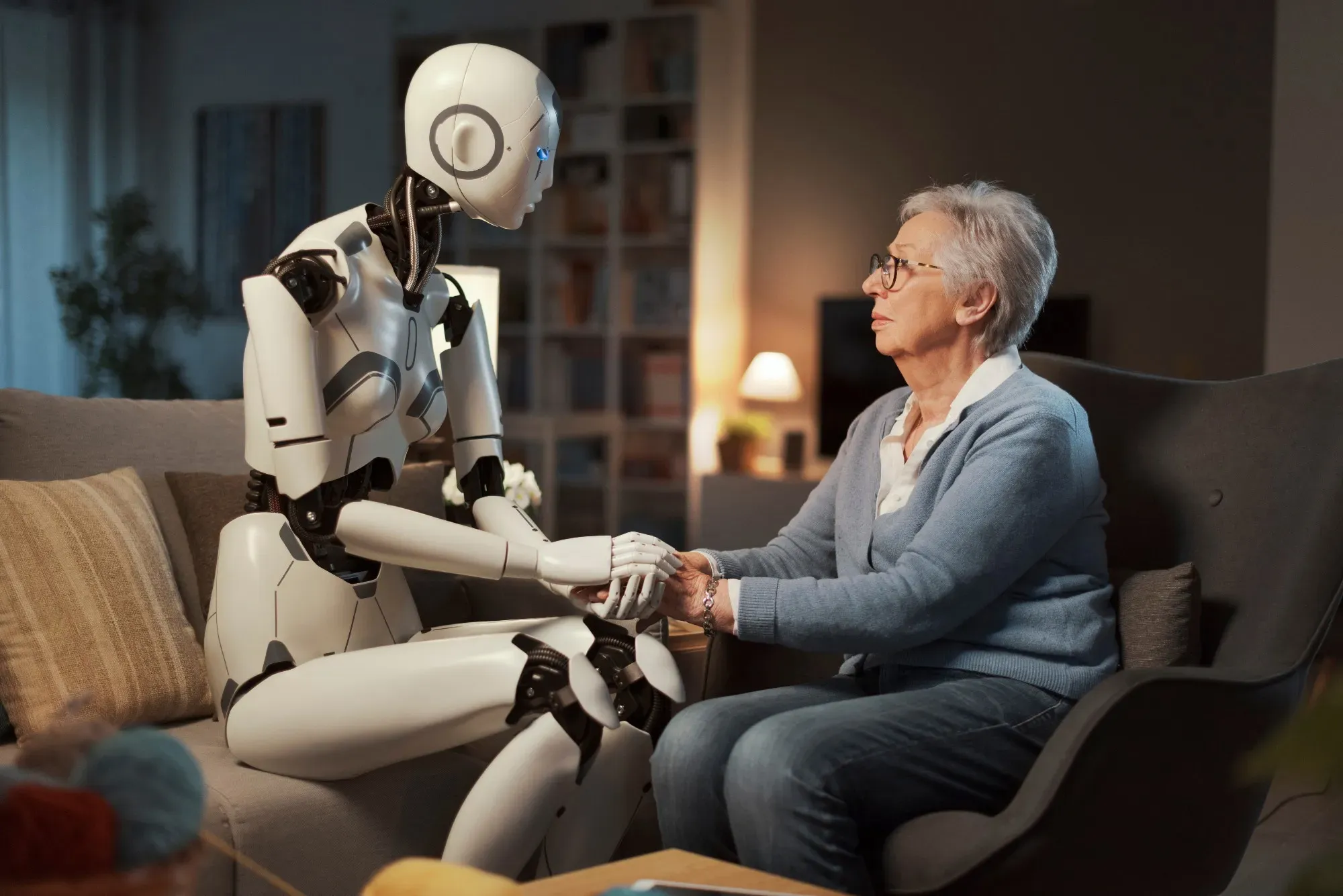
Better and faster artificial intelligence is fueling the rise of humanoid robots in customer service roles, particularly in hotels and airports outside the United States. These robots are increasingly being used to greet guests, assist with check-ins, and provide information, offering a glimpse into a future where machines handle many frontline interactions.
However, despite their growing presence, many humanoid robots still struggle to connect with people on an emotional level. Their attempts at human-like behavior—such as forced smiles, jittery movements, or awkward eye contact—often backfire, making guests feel uneasy rather than welcomed. Instead of building trust, these gestures can trigger discomfort, highlighting the need for more thoughtful design in human-robot interaction.
A new measurement scale developed by researchers in the hospitality industry now shows the four characteristics that a robot must have to appear realistic: humanoid appearance, emotional capacity, social intelligence and self-awareness.
The absence of any of these four elements makes robots appear cold and alien, which limits their potential uses.
Using the scale, companies and engineers can assess the level of realism of their robots and thus advance the development of better and more accessible robots for the service sector.
“Before we can fully leverage AI, we need to understand how humans perceive it,” said Dr. Hengxuan “Oscar” Chi, a professor of hospitality at the University of Florida and lead author of the new study. “However, there is still no consensus on the extent to which humans perceive robots as human-like.”
With colleagues at Washington State University, Chi asked hundreds of people to rate the humanlike characteristics of a range of robots, ranging from metal-coated tabletop devices to life-sized, realistic robots with faces and artificial skin and hair.
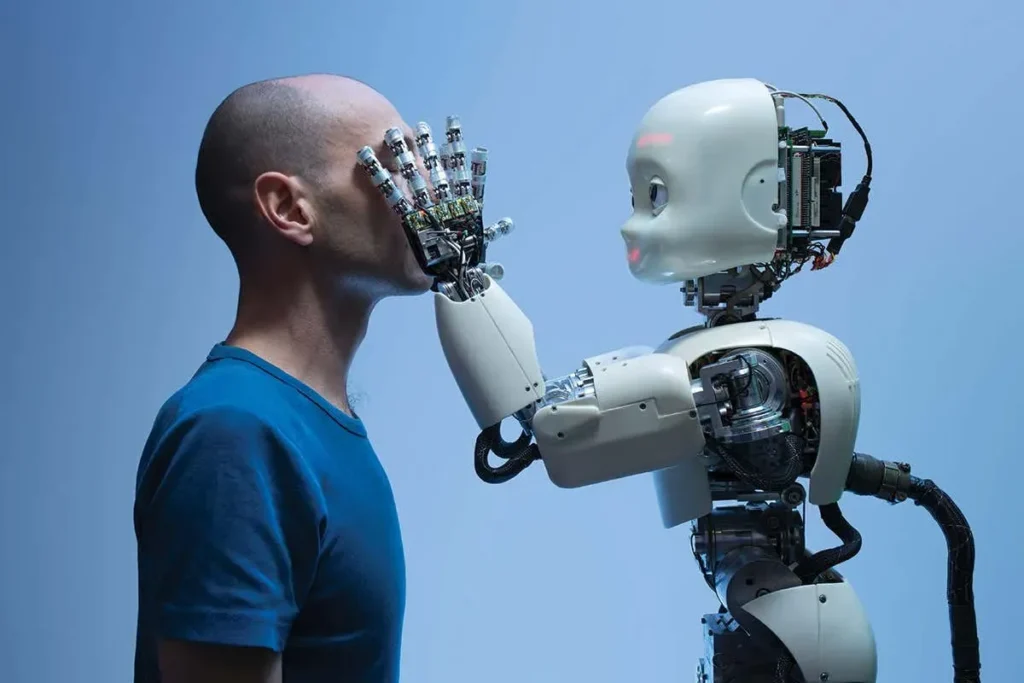
Research has shown that people judge robots in the same way they judge other people, based on a combination of physical and social characteristics, such as the ability to recognize a person’s emotions and respond appropriately.
“Some manufacturers have focused too much on building the human body and have ignored the other three elements. According to our study, these other elements cannot be ignored,” said Chi.
Robots often perform worst in the area of self-awareness – the notion of an inner life, a real personality, or “mind.” Replicating this mind in robots is perhaps the most difficult, but it is crucial to making them more accessible and useful.
“Understanding our perception of robots is not only a technical issue,” said Che. “It involves more than just programming and engineering—it touches on how we emotionally and socially respond to machines that mimic human traits.”
“It’s about bridging the gap between humans and machines,” Che continued. “To truly connect, robots must be designed with empathy and awareness of human expectations, not just mechanical precision.”
Abstract
Recognizing the personality of machines: The concept of anthropomorphism of social robots
This study designs and develops a multidimensional scale of social robot anthropomorphism (SSRA).
Through a rigorous scale development methodology consisting of qualitative (interviews and focus groups) and quantitative (online and field studies) methods, four dimensions of social robot anthropomorphism have been identified, namely human resemblance, social intelligence, emotional competence, and self-concept.
The validity and reliability of the scale were established by examining its convergent, discriminant, and construct validity using data from over 1,000 participants.
Theoretical and business-related contributions are discussed and recommendations for future research are made.