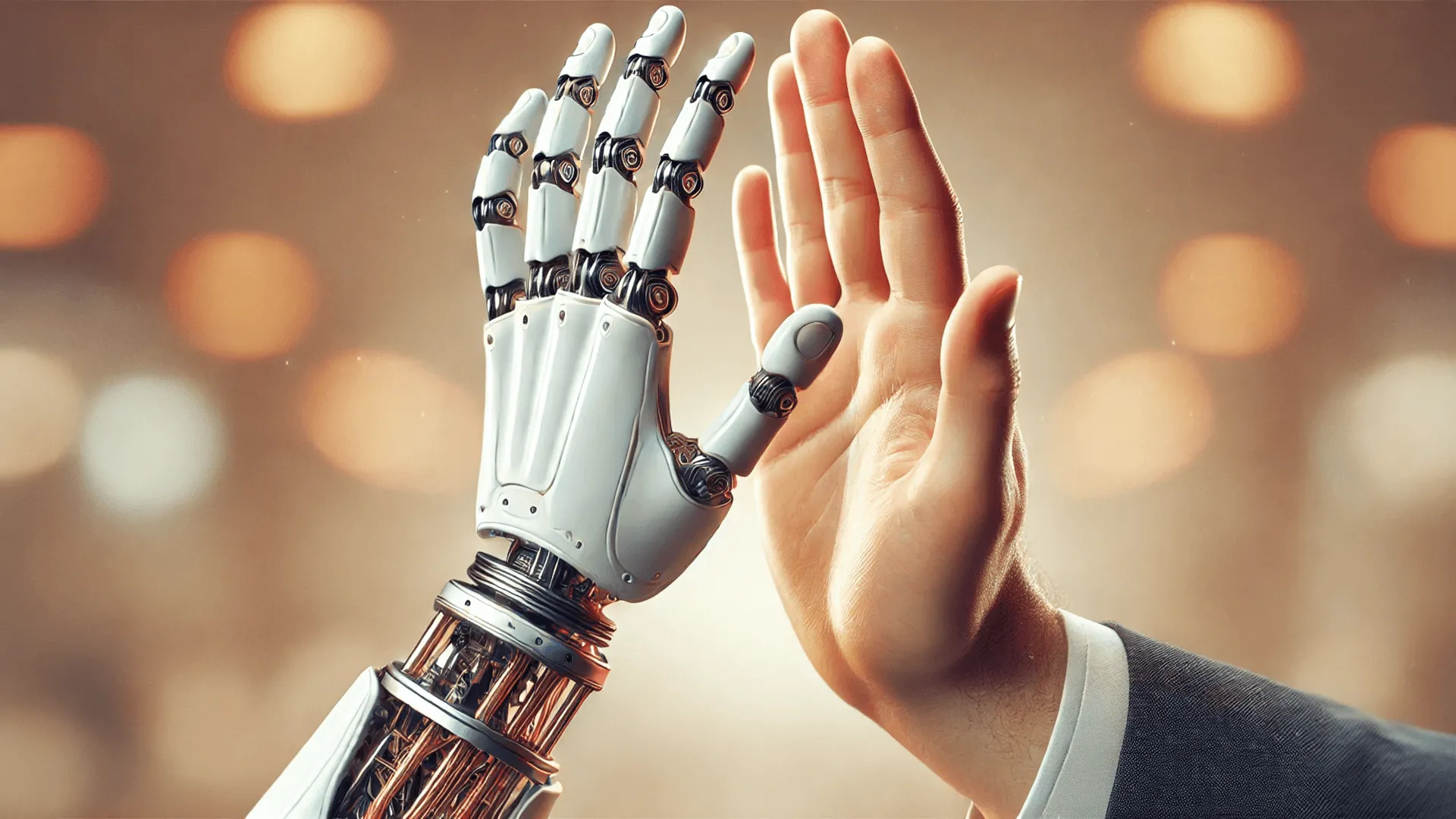

Summary: A next-generation neuroprosthetic hand that restores the sense of touch is undergoing clinical trials for home use. The iSens system uses implanted electrodes to monitor muscle activity and stimulate nerves. It transmits sensations from the fingertips to the brain, giving the prosthesis a sense of integration into the body.
Twelve participants will work with their standard prosthetic limb and a sensor-equipped arm, then switch between the two to determine how touch and control benefit daily life. The research, funded by a large federal grant, aims to address a key barrier to the adoption of realistic tactile prosthetic limbs in everyday life.
Key data
- Bidirectional interface: iSens decodes movement and encodes touch using implanted electrodes and an implanted controller.
- Home use test: Participants compare their prostheses with the iSens at home and then replace them, to measure the daily effects on each subject.
- Mechanism Testing: In the final stage, sensation alone versus advanced motor control is isolated to determine which feature improves quality of life the most.
Source: Case Western Reserve
Technology developed at Case Western Reserve University could restore the sense of touch, making a prosthetic hand feel like a part of the body, rather than artificial and disconnected.
Now, this technology is taking a big step toward commercialization: A new clinical trial is recruiting 12 upper limb amputees to compare standard arm and hand prostheses with a neurally controlled, sensory prosthesis developed at the university since 2015.
Researchers at Case Western Reserve and the Cleveland VA Louis Stokes Medical Center have received a $9.9 million grant from the U.S. Department of Defense’s Congressional-Directed Medical Research Program for the study.
“People who have lost an upper limb deserve access to better technologies that improve their quality of life,” says Emily Graczyk, assistant professor of biomedical engineering in the School of Engineering and Medicine at Case Western Reserve University, who led the study. Graczyk is also a researcher at the Cleveland Veterans Hospital.
Neuroprosthesis
The neuroprosthesis, called “iSens” (Emplanted System for Neurostimulation and Somatosensory Electrical Sensing), uses electrodes implanted in the arm. They detect muscle movements to control the hand and stimulate nerves. These sensors transmit tactile signals from the prosthetic fingers to the brain. An implanted neurological control device communicates with the electrodes via Bluetooth.
It was highlighted in a 2023 segment on 60 Minutes .
Researchers plan to begin recruiting participants early next year.
“This significant funding allows us to complete this clinical trial, which does not necessarily require venture capital investment at this stage,” said Dustin Tyler, Arthur S. Holden Professor of Biomedical Engineering and co-investigator of this study. “This grant allows us to address a significant barrier to its clinical application.”
Tyler is also the director of the Human Fusion Institute (HFI) at Case Western Reserve University. The institute is dedicated to enhancing human potential through cutting-edge technology, connected to people, and guided by ethical principles.
The university initially received an eight-year, $14 million contract.Subsidy throughIn 2023, the Defense Advanced Research Projects Agency (DARPA) provided funding for research into neuroprosthetics. Tyler and Graczyk developed technology and stimulation techniques that enabled sensory signal transmission from the prosthetic hand through neural implants in the subject’s arm.
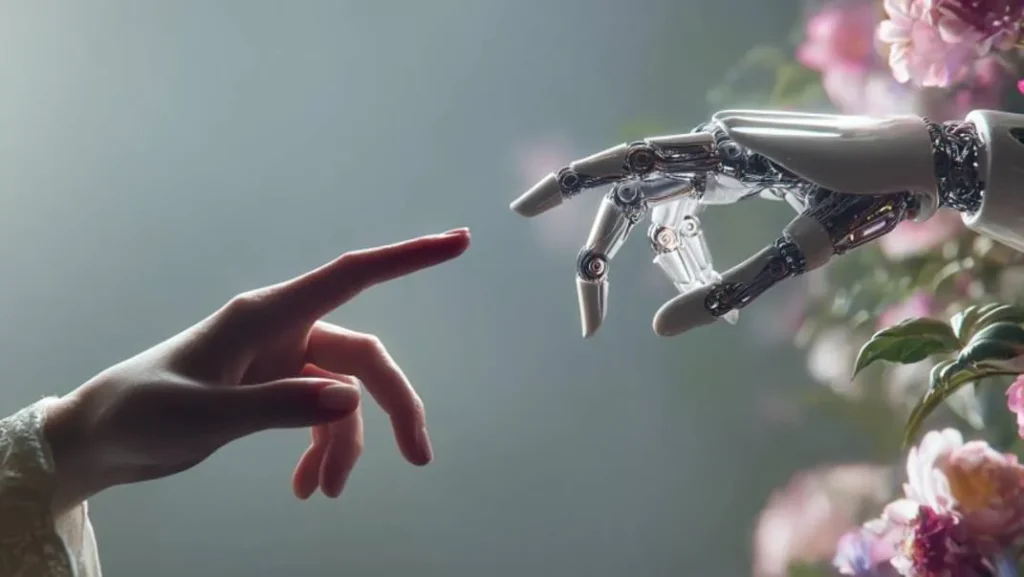
They were even surprised in early studies by how the sense of touch transformed the prosthesis: from an aid for occasional use, it went from being something that truly felt like owning your own hand.
“The sense of touch improves many different aspects related to quality of life, including feelings of connection with loved ones, self-reliance, self-esteem, and social interaction,” said Grzecz.
About this neuroprosthetics and neurotech research news
Author: Diana Steele
Source: Case Western Reserve
Contact: Diana Steele – Case Western Reserve
Image: The image is credited to StackZone Nuero
Clinical trial
The four-year study will enroll twelve patients with upper limb amputations and prosthetic limbs. The study consists of three parts, which each participant will complete over approximately 18 months:
- Part One: An initial three-month test phase will document how participants use their current prosthetic limbs. After that, electrodes and electronic modules will be implanted in each participant’s arm via an outpatient procedure. The research team will configure each participant’s neuroprosthetic system during three- to six-month laboratory visits. A controller will be built that allows the participant to intuitively control the prosthetic limb using muscle signals, and neural stimulation will be calibrated to transmit the sensation of touch from sensors in the prosthetic hand to the user’s brain.
- Part 2: Participants will receive their current prosthesis or the iSens research prosthesis, a multifunctional device with tactile technology, at home. Each participant will complete questionnaires about how often they use their prosthesis, what tasks they use it for, and their experiences with it. They will return to the laboratory monthly for testing and to demonstrate how they use the prosthesis. The prostheses will then be exchanged. Those who initially used their regular prosthesis will receive the research prosthesis, and vice versa.
- Part Three: In the third phase, participants are randomly assigned to either the iSens prosthesis, which only stimulates touch, or only advanced motor control. They then switch groups again.
Graczyk expressed optimism about the potential of their neuroprosthesis to enhance the lives of amputees. The technology aims to restore key functions, offering users a greater sense of autonomy and improved interaction with their environment.
However, he acknowledged that it’s still unclear whether the most impactful benefit will come from enhanced sensation, improved motor control, or a combination of both. Further research is needed to determine which aspect contributes most significantly to quality-of-life improvements.
Contributors
CWRU staff members include Hamid Charkhkar, assistant professor of biomedical engineering and researcher at the Cleveland VA; Ronald Trivolo, professor of biomedical engineering and executive director of the Advanced Platform Technology Center at the Cleveland VA; and Ming Wang, professor of population and quantitative health sciences in the College of Medicine.
At Cleveland Medical Centers: Kevin Malone, chief of hand and upper extremity surgery at University Hospitals Cleveland Medical Center and associate professor of orthopedic surgery at CWRU School of Medicine; J. Robert Anderson, orthopedic hand surgeon at University Hospitals, director of orthopedic hand surgery at Cleveland VA and associate professor of orthopedic surgery at CWRU School of Medicine; Kyle Chapla, plastic surgeon at MetroHealth Medical Center and associate professor at CWRU School of Medicine; and Gilles Pinault, chief of vascular surgery at Cleveland VA and associate professor of surgery at the medical school.
Among other institutions: Linda Resnick, professor of healthcare, policy and practice at Brown University.