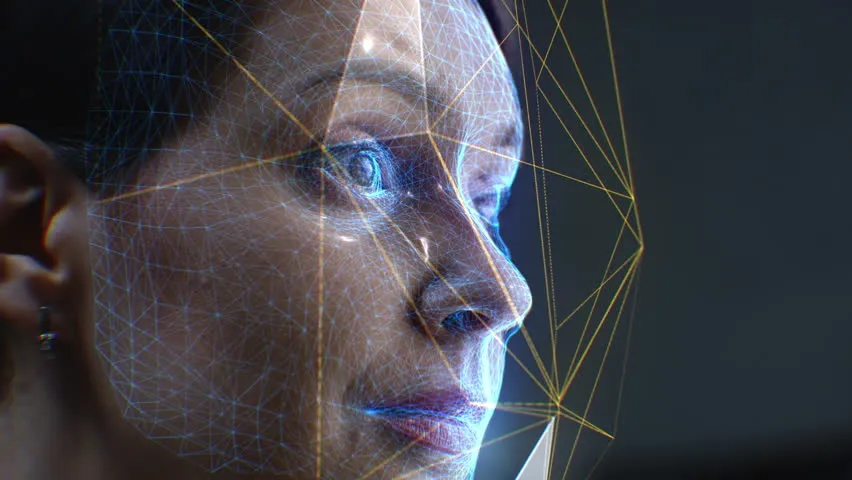

Summary: Early signs of depression can be difficult to detect, but a new study shows that AI can identify them in subtle facial movements. Japanese students with subclinical depression were perceived by their peers as less friendly and expressive, even though they did not appear nervous or unenthusiastic.
AI-powered analysis revealed specific patterns of muscle activity in the eyes and mouth that are linked to depression scores. This approach could make future screening tests accessible in schools, workplaces, and digital health platforms.
Key data
- Peer evaluation: Students with subclinical depression appeared less expressive, empathetic, and friendly.
- AI detection: Micro-movements in the eyes and mouth were strongly correlated with depression scores.
- Early detection potential: This method offers a non-invasive way to detect depression before clinical symptoms appear.
Source: Waseda University
Depression is one of the most common mental health problems, but its early symptoms often go unnoticed. It is often accompanied by a decrease in facial expressions.
However, it is not yet known whether mild depression or subthreshold depression (a mild state of depressive symptoms that does not meet the criteria for diagnosis, but is a risk factor for developing depression) is associated with changes in facial expressions.
In light of this, Associate Professor Eriko Sugimori and PhD candidate Miu Yamaguchi from the School of Human Sciences at Waseda University in Japan investigated changes in the facial expressions of Japanese university students using facial data and artificial intelligence.
Published in the journal Scientific Reports .
“Given the growing concern about mental well-being, I wanted to investigate how subtle non-verbal cues, such as facial expressions, influence social perceptions and reflect mental health through AI-based facial analysis,” said Sugimori.
The researchers asked 64 Japanese university students to record short videos introducing themselves. Then, another group of 63 students assessed the participants’ expressiveness, friendliness, naturalness, and empathy. The team also used OpenFace 2.0, an artificial intelligence system that records micro-movements of facial muscles, to analyze the same videos.
The results showed a consistent pattern. Students who reported symptoms of subclinical depression were rated by their peers as less friendly, expressive, and kind. Interestingly, they were not rated as more rigid, fake, or nervous. This suggests that a major depressive disorder does not make people appear outwardly negative, but rather reduces their positive expressions.
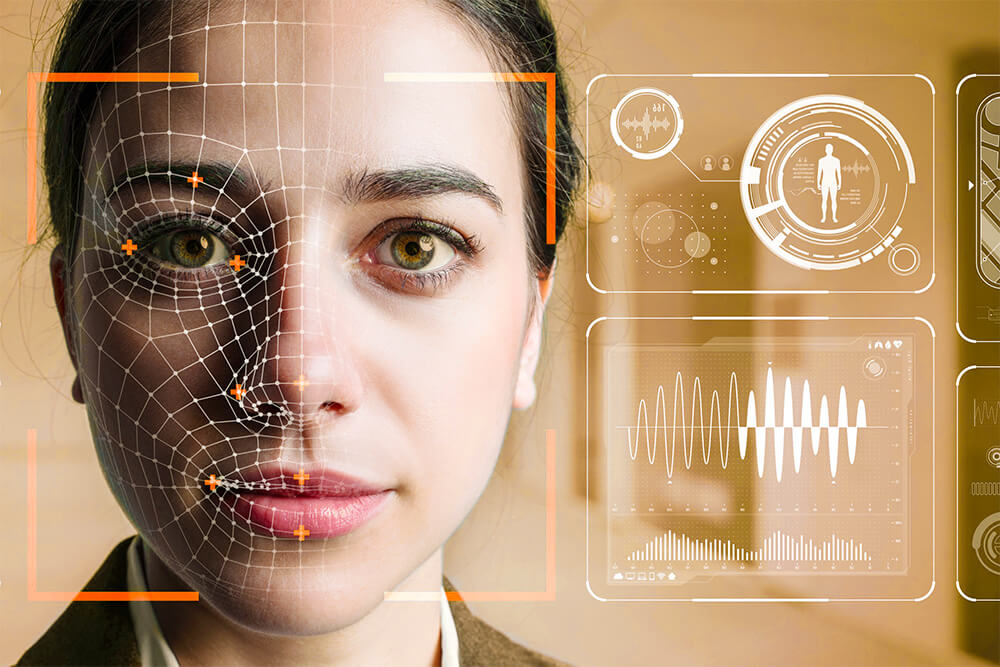
The AI analysis revealed specific patterns of eye and mouth movements, such as raising the inner eyebrows and upper eyelids, spreading the lips, and opening the mouth, that were more common in people with depression. These subtle muscle movements were strongly associated with depression scores, although they were largely undetectable to untrained observers.
The researchers emphasize that their study was conducted with Japanese students, which is important because cultural norms influence the way people express emotions.
“Our new approach using short self-introduction videos and automated facial expression analysis could be applied to assess and detect mental health problems in schools, universities, and workplaces,” Sugimori said.
The proposed approach can be used in mental health technologies, digital health platforms or employee wellness programs to effectively monitor psychological well-being.
“Overall, our study provides a novel, accessible, and non-invasive AI-based facial analysis tool for early detection of depression (before the onset of clinical symptoms), enabling early interventions and timely mental health care ,” Sugimori concluded.
About this AI and depression research news
Author: Armand Aponte
Source: Waseda University
Contact: Armand Aponte – Waseda University
Image: The image is credited to StackZone Neuro
Original Research: Open access.
“Subthreshold depression is associated with altered facial expression and impression formation via subjective ratings and action unit analysis” by Eriko Sugimori et al. Scientific Reports
Abstract
Subthreshold depression is related to changes in facial expressions and expressions that are formed by the analysis of subjective judgments and units of action.
Depression is often accompanied by a decrease in facial expressions and an impairment in recognizing the emotions of others. It is not yet certain whether subclinical depression (SD), a possible prodromal stage, involves similar changes.
We recorded 10-second self-introduction videos of Japanese university students (analysts; n = 64) and collected subjective impressions from a separate group (analysts; n = 63).
Both groups completed the Beck Depression Inventory-II (BDI-II). The depressive tendencies of the assessors were not associated with their impression scores ( p > .10, Benjamini-Hochberg corrected).
In contrast, people with TBI (BDI-II = 11-20) had significantly lower scores on positive items (expressive, natural, friendly, agreeable) than people with healthy scores (BDI-II = 1-10; partial η² = 0.18-0.70).
Automated analysis using OpenFace 2.0 revealed a higher presence/intensity of AU01 (inner brow lift), AU05 (upper eyelid lift), AU20 (lip stretch), AU25/26/28 (mouth opening AU) in StD faces. Five of these AUs correlated with BDI-II after correcting for false discovery rate (q < 0.05).
Subclinical depression was associated with less positive expression and characteristic patterns of eye and mouth movements, but this did not affect the observer’s initial impression. The characteristics observed in activity units may facilitate early identification of individuals at risk for clinical depression.
In summary, our results suggest that subclinical depression is associated with changes in facial expressions, particularly positive expressions, without affecting how others perceive these expressions.