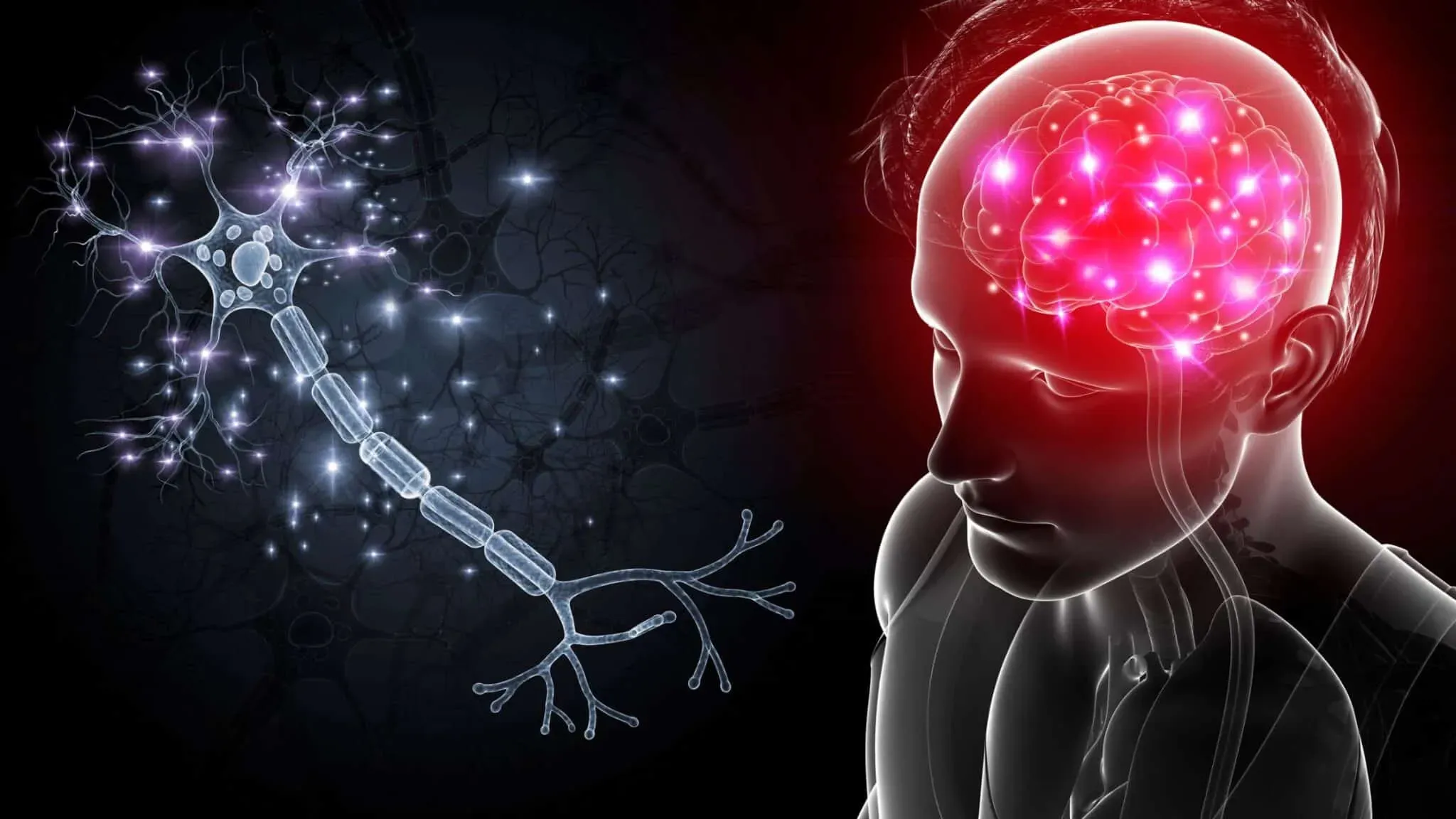

Key Questions Answered
Q : Does psychology study the brain or the mind?
A: Psychology is the scientific study of the mind and behavior. It delves into various facets of human thought processes, emotions, motivations, and actions. By understanding psychology, we gain valuable insights into why individuals behave the way they do and how they interact with others.
Q: Do neuroscientists study the brain?
A: Neuroscientists focus on the brain and its impact on behavior and cognitive functions. Not only is neuroscience concerned with the normal functioning of the nervous system, but also what happens to the nervous system when people have neurological, psychiatric and neurodevelopmental disorders.
Q: Can psychologists read my mind?
A: So, while your psychologist can’t read your mind, they are trained to be aware of many small cues. These cues give them insight into a person’s mental state. They can see and understand more than the average person. Most importantly what a psychologist really needs is for you to be open and honest about your problems.
Q: Can neuroscience replace psychology?
A: Psychology needs neuroscience, but that doesn’t mean neuroscience should replace psychology. A comprehensive psychology requires different explanatory levels: different levels of analysis.
Understanding how the brain works and how it shapes our thoughts, emotions, and behaviors is one of the greatest scientific challenges. Two major fields—neuroscience and psychology—focus on this, but they approach it from different angles. While neuroscience looks at the brain’s physical and biological processes, psychology explores mental functions and behavior. Together, they provide a comprehensive view of the brain and mind.
Summary
What Is Neuroscience?
Neuroscience is the scientific study of the nervous system, especially the brain, spinal cord, and neural networks. It focuses on the biology behind how neurons communicate, how brain regions interact, and how chemical signals regulate functions like mood, memory, and movement. Neuroscientists use various methods to study these processes, including brain imaging techniques like MRI and PET scans, as well as electrophysiology, which measures electrical activity in neurons.
By examining the physical structures and chemical interactions in the brain, neuroscience seeks to uncover the fundamental mechanisms that enable cognition, perception, and behavior. For example, research in neuroscience has identified brain areas responsible for language, decision-making, and emotions, as well as how damage to certain regions affects mental functions.
What Is Psychology?
Psychology is the study of behavior and mental processes, including how people think, feel, and interact with their environment. Unlike neuroscience, psychology often emphasizes the external expression of mental activities and experiences. It covers a wide range of topics such as perception, learning, memory, emotion, personality, and social behavior.
Psychologists use experimental research, surveys, clinical studies, and observational methods to investigate how people respond to various stimuli and situations. While psychology acknowledges the brain’s role in shaping behavior, it also considers social, developmental, and environmental influences. For example, psychologists study how childhood experiences impact adult behavior or how stress affects mental health.
Key Facts:
- Although neuroscience and psychology have distinct focuses, they are deeply interconnected. Neuroscience provides the biological basis for many psychological theories by showing how brain activity corresponds with thoughts and behaviors. Meanwhile, psychology offers insights into the mind’s functions that guide neuroscientific research.
- Modern cognitive neuroscience, a field at the intersection of both disciplines, uses brain imaging tools to link specific mental functions to brain regions. This integration helps explain complex processes such as memory formation, attention, and emotional regulation. It also plays a vital role in developing treatments for neurological and psychological disorders like Alzheimer’s disease, depression, and anxiety.
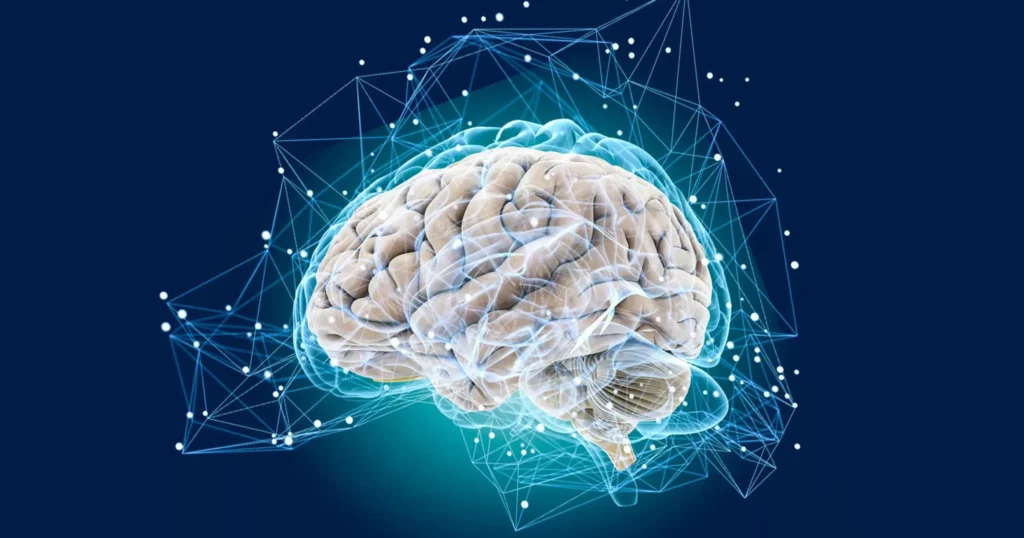
Why Understanding Both Fields Matters
Studying neuroscience alone gives us knowledge about the brain’s hardware — its cells, structures, and chemistry. Psychology adds the software perspective by exploring how mental processes operate and how behavior is shaped by internal and external factors. Together, these fields enable a fuller understanding of human cognition and behavior.
This combined knowledge not only advances science but also improves practical applications, such as mental health therapies, education strategies, and rehabilitation programs. Understanding both brain and mind allows us to tackle complex challenges related to brain injuries, mental illnesses, and cognitive decline.
The scientific exploration of the brain is crucial for understanding the mind. While neuroscience and psychology each concentrate on distinct aspects, neuroscience deals with the brain’s physical characteristics, whereas psychology addresses the more abstract concepts related to mental processes.
Our ability to connect brain states and mental states is constantly evolving, which means both academic disciplines can share in meaningful conversations.
Scientists have striven to understand the relationship between the brain and mind in normal and abnormal human cognition, which is a major goal of cognitive neuroscience.
Much research in cognitive neuroscience is done using neuroimaging (which refers to any technology that helps visualize the brain), because it allows us to “peek inside” a living person’s skull.
The most common format Neuroimaging One technique used in cognitive neuroscience research is magnetic resonance imaging (MRI), which uses the reaction of hydrogen ions in different environments to obtain information about the brain.
MRI can distinguish between different types of tissue in the skull and create actual brain maps, providing structural information about the brain (i.e., information about the anatomy of the brain, e.g., the size of different regions).
It can also provide functional information (i.e., information about the activity of different regions of the brain) by sensing areas of high blood oxygen levels, which correlate with brain activity.
Neuroimaging studies allow cognitive neuroscientists to utilize structural and functional information to build models of human cognition and understand the role of different brain systems and regions in thought and behavior ( Kalra, 2012).
Neuroscience has not only shed light on the neural processes underlying the human mind as a whole, but it has also vastly improved our understanding of mental illness and revolutionized clinical psychology.
By comparing the brains of healthy people with those of people with mental illnesses, neuroscientists have improved our knowledge of the causes of these diseases and the most effective treatments.
For example, neuroimaging studies have shown that some people with depression may have a smaller hippocampus, which may be related to stress, which is known to reduce neurogenesis (the production of new neurons) in the hippocampus.
Abstract
Neuroscience and psychology are two interconnected disciplines that both strive to understand the complexities of the brain and mind, but they do so from distinct perspectives. Neuroscience is primarily concerned with the biological foundation of the nervous system. It studies how neurons communicate, how different brain regions function, and how chemical signals influence behavior and cognitive processes. Using advanced technologies like MRI scans, electrophysiology, and molecular techniques, neuroscientists explore the physical and chemical activities that underlie mental functions.
Psychology, on the other hand, focuses more on behavior and mental processes such as perception, memory, emotion, and decision-making. Psychologists investigate how people think, feel, and behave in various contexts, often considering social, developmental, and environmental factors. Their methods include experiments, surveys, and observational studies, aiming to understand how mental processes relate to behavior and how psychological well-being can be improved.
By combining the strengths of both fields, researchers gain a more holistic picture of how the brain and mind operate. Neuroscience reveals the biological mechanisms behind mental activities, while psychology connects these mechanisms to real-world experiences and behaviors. This collaboration is vital for advancing treatments for mental health disorders and improving our overall understanding of human cognition.
This finding is also consistent with the following evidence antidepressants Serve Promotes neurogenesis This process, which occurs in the hippocampus, takes a long time, which explains why patients typically don’t feel the effects of antidepressants for several weeks.
While antidepressants directly affect the levels of neurotransmitters thought to be involved in mood, these findings ultimately suggest that neurogenesis may be a more important mechanism of action, and that drugs that specifically target neurogenesis must be developed (Cause, 2019).
Another example is Cho Hyun-Byun, who, through various neurochemical, neuroimaging, and animal model studies, pointed out the important role of neurotransmitters. Dopamine, this disorder manifests as abnormally high dopamine levels, particularly in a part of the brain called the striatum, one of the roles of dopamine is thought to be signaling the importance of external stimuli.
For example, food may be perceived as salient because it is essential for survival. Therefore, scientists hypothesized that abnormal dopamine activity in the ancestral cortex may make innocuous stimuli abnormally salient in patients with Chohyon disease, leading to delusions and hallucinations in response to those stimuli.
Consequently, the primary mechanism of antipsychotic drugs is to block dopamine receptors (Winton-Brown et al., 2014).
Dopamine is also associated with addiction: this neurotransmitter plays an important role in motivation and compensation (a specific type of salience), and taking drugs that increase dopamine levels in compensatory circuits can induce conditioned responses.
These compensatory circuits are typically controlled by circuits in the frontal cortex, which control executive function—the ability to suppress short-term desires for long-term goals.
However, in addicted individuals, the conditioned response to the drug is so strong that compensatory circuits override prefrontal circuits, leading to compulsive drug seeking even in the face of negative consequences (Volkow and Boyle, 2018).